Technical writing and copywriting are two distinct career paths in the writing world, each requiring different talents and serving different purposes. In a nutshell ... Technical writers focus on explaining how to use a product or process and aim to simplify complex information for the end-user. Copywriters focus on why you should use or buy a product/service and aim to persuade and sell,.
In today’s digital-first world, learning doesn't just happen in classrooms—it happens anywhere there’s a screen and a connection. That’s why instructional designers and e-learning professionals are in demand across industries. Whether you're an educator, a corporate trainer, or someone looking to transition into a meaningful, future-proof career, learning how to design effective online learning.
E-learning instructional design is a growing field that demands a diverse skill set, combining education, design, technology, and creativity. As more organizations shift to online and blended learning, e-learning instructional designers are in high demand for their expertise in creating engaging and effective digital courses. But what are the skills that make a great e-learning instructional.
If you're researching - "What does an instructional designer do?" You came to the right place! Here's a complete guide to help answer your questions about this growing profession. Instructional design is a rapidly growing field that combines the following to develop effective learning experiences: education psychology technology creativity Instructional designers (IDs) play a critical role in.
As technology continues to shape our world, e-learning has emerged as a crucial component in both the workplace and education. From corporate training to online university courses, e-learning makes it possible to learn anytime, anywhere. But what is it about e-learning that makes it so vital today? In this article, we’ll explore the importance of e-learning, how it meets the needs of today’s.
Are you interested in making a career shift to instructional design? With the growing demand for e-learning and corporate training, instructional design has become a great option if you want to combine creativity, technology, and education. Whether you’re coming from teaching, corporate training, or another profession, transitioning to instructional design is achievable with the right plan and.
Choosing the right instructional design program or certificate is essential for setting yourself up for success in this growing field. The best programs don’t just teach theory—they also provide hands-on experience, exposure to industry-standard tools, and expert guidance to ensure you’re job-ready. So, what should you look for in an instructional design program or certificate? Let's explore.
And What Are Their Key Roles and Responsibilities? Instructional design is a versatile field with opportunities in numerous industries, each with unique needs and expectations for their instructional designers. As more sectors invest in digital learning and employee training, instructional designers have become essential to creating effective, engaging, and accessible learning experiences. In.
Getting Started With No Prior Experience Landing your first instructional design job or freelance gig can feel daunting, especially if you’re new to the field. The good news is that you don’t need a long resume of instructional design experience to start building a successful career. This post covers eight proven strategies for finding your first job, building a portfolio, networking, and.
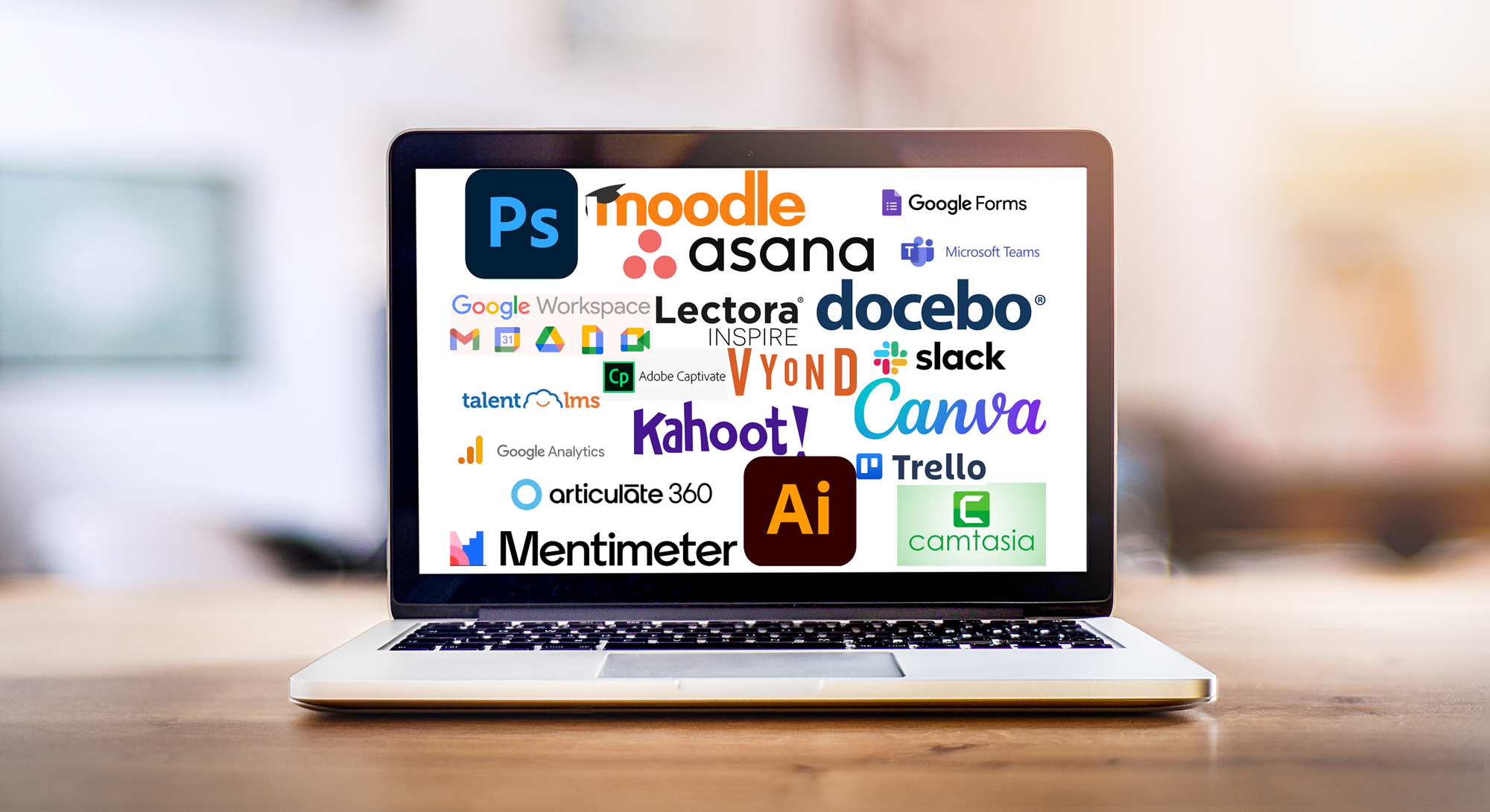
If you’re considering a career in instructional design, one of the first questions you might ask is: What tools and software do I need to learn to get hired? Instructional designers rely on a range of digital tools to create, deliver, and manage learning content. Mastering these tools not only enhances your employability but also ensures that the learning experiences you design are interactive,.